
Common Living Room Mistakes Designers Spot and How to Fix Them
Living rooms are the heart of a home, where family gathers, guests are entertained, and daily life unfolds. Yet, many living rooms fall short of their potential because of common design mistakes that make the space feel awkward, cluttered, or unfinished. Interior designers quickly spot these issues, often caused by poor layout, furniture choices, or styling decisions. The good news is that small changes can transform your living room into a balanced, inviting, and polished space.
This post explores five frequent living room mistakes designers notice instantly and offers practical tips to fix them. Whether you’re redecorating or just want to refresh your space, these insights will help you create a living room that feels cohesive and comfortable.
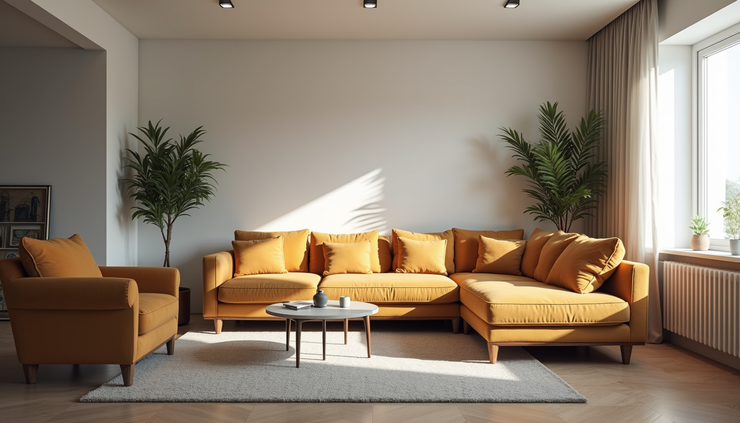
Mistake 1: Awkward Furniture Placement
One of the most obvious mistakes is furniture that doesn’t support conversation or flow. Designers often see sofas pushed against walls or chairs placed too far apart, making the room feel disconnected. When furniture is arranged without considering how people move or interact, the space loses its purpose.
How to Fix It
Create a focal point: Arrange seating around a natural focal point like a fireplace, TV, or large window.
Encourage conversation: Position sofas and chairs so people can easily talk without shouting or turning their heads.
Leave enough space: Allow at least 18 inches between coffee tables and seating for comfort, and 30-36 inches for walkways.
Use rugs to define zones: A well-sized rug can anchor furniture and visually group seating areas.
For example, instead of pushing a sofa against the wall, try floating it in the room with a console table behind it. This creates a more intimate seating area and improves traffic flow.
Mistake 2: Overcrowding or Underfurnishing
Both extremes cause problems. Overcrowding makes a room feel cramped and chaotic, while underfurnishing leaves it cold and incomplete. Designers spot rooms where every inch is filled with furniture or décor, or rooms with just a sofa and a lamp that feel empty.
How to Fix It
Balance furniture size with room size: Large rooms can handle bigger pieces, but small rooms need scaled-down furniture.
Choose multifunctional pieces: Ottomans with storage or nesting tables save space and add function.
Add layers gradually: Start with essential furniture, then add accessories like side tables, lamps, and art to avoid clutter.
Leave breathing room: Empty space is as important as filled space for a balanced look.
A medium-sized living room, for example, benefits from a sofa, two chairs, a coffee table, and a side table. Adding a floor lamp and a few well-chosen accessories completes the look without overcrowding.
Mistake 3: Ignoring Lighting Layers
Lighting is often an afterthought, but it shapes how a room feels. Designers notice living rooms with only one overhead light or insufficient lamps, resulting in harsh shadows or dull corners.
How to Fix It
Use three layers of lighting: ambient (general), task (reading or activities), and accent (highlighting art or architectural features).
Add floor and table lamps: These provide softer, adjustable light and create cozy spots.
Consider dimmers: They allow you to change the mood and brightness easily.
Maximize natural light: Use sheer curtains or blinds that open fully to let in daylight.
For example, a living room with a central ceiling fixture, a reading lamp next to the sofa, and a spotlight on a piece of art feels warm and inviting at any time of day.
Mistake 4: Skipping Scale and Proportion
Designers quickly spot when furniture or décor is out of scale with the room or with each other. A tiny coffee table in a large seating area or oversized art on a small wall throws off balance and harmony.
How to Fix It
Measure your space: Know the dimensions before buying furniture or art.
Match furniture scale: Pair large sofas with substantial coffee tables and rugs.
Choose art that fits the wall: A large blank wall needs a big piece or a gallery wall, not a small print.
Use proportion to create flow: Mix tall and low pieces to add interest without overwhelming.
For instance, a large sectional sofa should be paired with a coffee table that fills the space in front of it, not a tiny side table that disappears visually.
Mistake 5: Neglecting Cohesive Styling
A living room that feels unfinished often lacks a unifying style or color scheme. Designers notice rooms with mismatched furniture styles, clashing colors, or random décor that doesn’t tell a story.
How to Fix It
Choose a color palette: Stick to 2-3 main colors and use accents to add interest.
Mix styles thoughtfully: Blend modern and traditional pieces by repeating colors or materials.
Add texture and pattern: Use pillows, throws, rugs, and curtains to create depth.
Edit carefully: Remove items that don’t fit the overall look or feel cluttered.
For example, a living room with a neutral sofa, wooden coffee table, and blue accent pillows feels more cohesive than one with a bright red sofa, floral rug, and mismatched chairs.
Designing a living room that feels balanced, comfortable, and beautifully finished isn’t about buying more decor — it’s about understanding the order and principles designers use when planning a space. If you’d like a step-by-step approach to creating a cohesive home, my interior design guides walk through the exact process designers follow, from layout and furniture placement to styling and finishing details.
Explore the Design Guides here → DESIGN HELP


Comments